
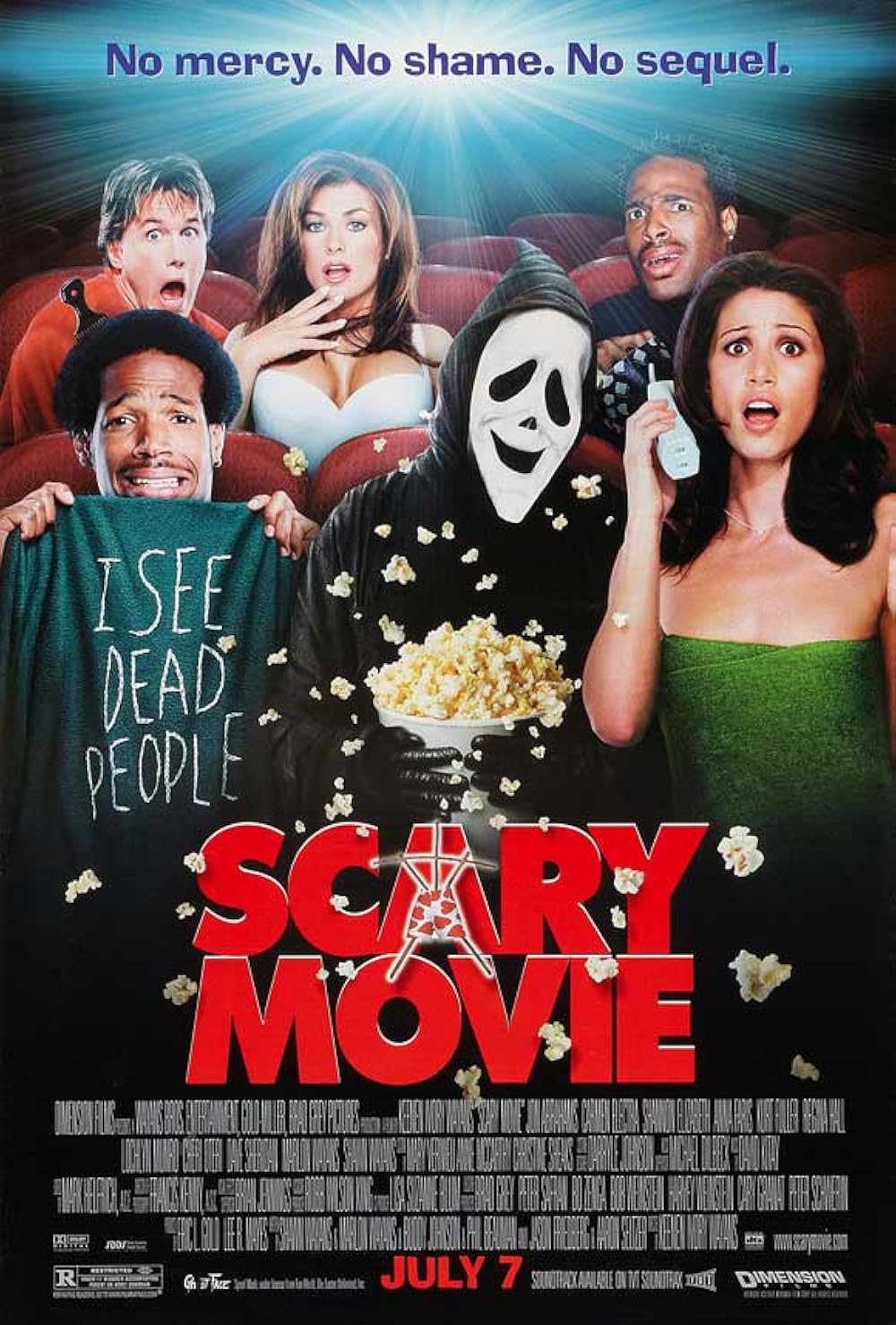
The Anatomy of a Truly Terrifying Scary Movie
Let's be honest, folks – we all love a good scare. There's something undeniably thrilling about experiencing that rush of adrenaline, that prickle of fear down your spine. But what exactly makes a scary movie truly *terrifying*? Is it the jump scares? The gore? Or is there something more to it? Let's delve into the world of scary movies and dissect what makes them tick.
The Building Blocks of Fear: What Makes a Scary Movie Work?
A truly effective scary movie isn't just about throwing random scary things at the audience. It's about crafting a specific atmosphere, building suspense, and playing on our deepest fears. Think about it – what scares *you*? Is it the unknown? Claustrophobia? The thought of being alone in the dark? Great horror films tap into these primal fears and exploit them masterfully.
One key ingredient is atmosphere. A creepy soundtrack, shadowy cinematography, and unsettling sound design can create a sense of dread long before anything truly horrific happens. It's like slowly tightening a vise – the tension builds, and the anticipation is almost worse than the actual scare.
Mastering the Jump Scare: A Necessary Evil?
Jump scares are often the go-to tactic for cheap thrills. A sudden loud noise, a fleeting image, a character popping out from nowhere – it's a tried and tested formula. However, overuse can cheapen the experience. A truly effective scary movie uses jump scares sparingly, saving them for moments that genuinely build upon the established tension.
Think of jump scares as the seasoning in a dish. A little salt can enhance the flavor, but too much will ruin it. Similarly, a well-placed jump scare can amplify the fear, but excessive use just makes the audience jaded and annoyed.
The Psychology of Fear: Why We Love Being Scared
Why do we willingly subject ourselves to the terror of a scary movie? It's a complex question with no simple answer. But part of the appeal lies in the safe space that a movie provides. We know it's just fiction, and we can leave whenever we want. This allows us to experience the thrill of fear without the actual danger.
Moreover, overcoming fear can be incredibly satisfying. Watching a character overcome seemingly insurmountable odds, or surviving a terrifying situation, can provide a vicarious sense of empowerment and resilience.
Iconic Scary Movies and Their Lasting Impact
Over the years, countless scary movies have graced the silver screen, leaving an indelible mark on the horror genre. Some have achieved iconic status, influencing countless imitators and inspiring generations of filmmakers. Let's look at a few examples:
- The Exorcist (1973): A groundbreaking film that redefined the boundaries of horror, exploring themes of faith, family, and the unsettling power of evil.
- Halloween (1978): John Carpenter's masterpiece introduced the slasher subgenre, and Michael Myers remains one of the most terrifying villains in cinematic history.
- The Shining (1980): Stanley Kubrick's psychological horror classic is a masterclass in suspense, atmosphere, and unsettling imagery.
- The Silence of the Lambs (1991): A chilling thriller that masterfully blends suspense, psychological horror, and brilliant performances.
These movies, and many others, have not only entertained audiences but have also shaped our understanding of horror and fear. They've pushed boundaries, explored complex themes, and left a lasting legacy on the cinematic landscape.
The Future of Scary Movies: Where Does Horror Go From Here?
The horror genre is constantly evolving, adapting to changing societal anxieties and technological advancements. We've seen subgenres come and go, but the core appeal – the thrill of fear – remains. The future of scary movies is likely to be just as diverse and inventive as the past, exploring new and unsettling ways to tap into our deepest fears.
The Power of Subgenres in Scary Movies
One of the things that makes the scary movie genre so compelling is its diversity. From the classic monster movies to slasher flicks, psychological thrillers, and supernatural horror, there's a subgenre for everyone. Each subgenre has its own tropes, conventions, and audience expectations, creating a rich tapestry of frightening tales.
The evolution of scary movies is also tied to our changing cultural landscapes. As society's anxieties shift, so too does the subject matter of scary movies. What scared us a generation ago might not scare us as much today, and vice versa. That's why the scary movie remains a constantly evolving and relevant form of cinematic storytelling.
Conclusion
So, what's the secret to a truly terrifying scary movie? It's not just about jump scares or gore. It's about skillfully blending atmosphere, suspense, and a deep understanding of the psychology of fear. It's about creating a visceral experience that stays with the audience long after the credits roll. Scary movies aren't just about scaring us; they're about exploring our deepest fears, challenging our perceptions, and ultimately, reminding us of the power of storytelling.
Frequently Asked Questions
- What are some of the best scary movies of all time? That's subjective, of course! But many consider classics like *The Exorcist*, *The Shining*, *Halloween*, and *The Silence of the Lambs* to be among the best.
- What makes a scary movie scary? A combination of factors contributes to a scary movie's effectiveness, including atmosphere, suspense, jump scares (used sparingly!), and a connection to primal fears.
- Why do people like watching scary movies? It's a combination of the thrill of controlled fear, the cathartic release of adrenaline, and the vicarious sense of overcoming fear through the characters' experiences.
- Are scary movies getting worse or better? It's a matter of opinion. Some argue that the overuse of jump scares has diluted the genre, while others appreciate the ongoing innovation and exploration of new subgenres.
- What's the scariest scary movie you've ever seen? This is highly personal, but I'd argue that a truly scary movie taps into *your* individual fears and anxieties, making the scariest movie different for every person.